What a Healthy Menstrual Cycle Looks Like
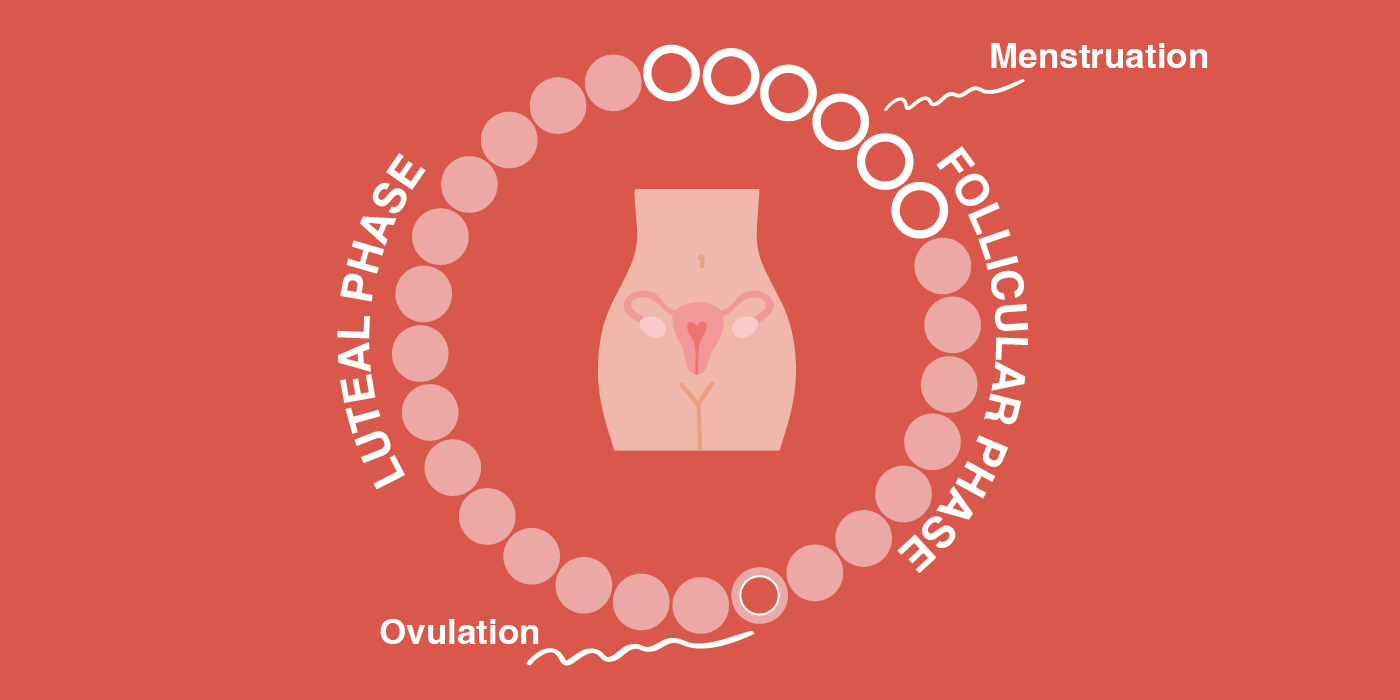
A healthy menstrual cycle is a strong indicator of overall well-being and reproductive health. While many people focus only on their period, the menstrual cycle is a continuous process that reflects hormonal balance, fertility, and physical health. Understanding what a healthy cycle looks like helps you recognize normal patterns, detect changes early, and track both your cycle and potential pregnancy with confidence.
Every body is different, and a healthy cycle does not look exactly the same for everyone. However, there are clear signs that indicate whether your cycle is functioning normally. By learning how to track your cycle across all phases—normal, menstrual, follicular, ovulation, luteal, and late period—you can better understand your body and support your health.
Track Cycle: Why Cycle Health Matters
Tracking your menstrual cycle helps you understand how your body works month after month. A healthy cycle is not defined by perfection but by consistency. When you track your cycle, you can observe patterns and identify what is normal for you.
Cycle tracking allows you to:
-
Understand cycle length and regularity
-
Identify ovulation and fertile days
-
Monitor hormonal balance
-
Recognize early signs of imbalance
-
Predict your next period accurately
Using a website or mobile app to track your cycle makes it easier to collect data over time and see trends that might otherwise go unnoticed.
Track Pregnancy: How a Healthy Cycle Supports Fertility
A healthy menstrual cycle is closely connected to fertility and pregnancy. Regular ovulation and a stable luteal phase increase the chances of conception and support early pregnancy.
Tracking pregnancy-related signs alongside your cycle helps you:
-
Identify fertile windows
-
Plan or avoid pregnancy naturally
-
Recognize early pregnancy symptoms
-
Understand late or missed periods
When your cycle is healthy, pregnancy tracking becomes more accurate and reliable.
Normal Cycle: Key Signs of a Healthy Pattern
A normal and healthy menstrual cycle typically has the following characteristics:
-
Cycle length between 21 and 35 days
-
Periods that arrive consistently
-
Bleeding that lasts 3 to 7 days
-
Manageable discomfort
-
Clear signs of ovulation
-
Predictable hormonal changes
What matters most is that your cycle follows a pattern that stays relatively consistent over time.
How to track a healthy normal cycle
-
Record the first day of each period
-
Track cycle length for several months
-
Observe physical and emotional changes
-
Note lifestyle factors like stress or sleep
Pregnancy relevance:
A predictable cycle makes it easier to determine ovulation timing and recognize when a period is truly late.
Menstrual Phase: Healthy Period Signs
What a healthy menstrual phase looks like:
-
Bleeding starts naturally without severe pain
-
Flow gradually increases then decreases
-
Blood color ranges from bright red to dark brown
-
Mild to moderate cramps that are manageable
What to track during this phase:
-
Start and end dates of bleeding
-
Flow intensity
-
Pain levels
-
Energy and mood
A healthy period should not completely disrupt daily life. Severe pain, extremely heavy bleeding, or very long periods may indicate an imbalance.
Pregnancy relevance:
A true menstrual period usually means pregnancy did not occur. Tracking bleeding patterns helps distinguish normal periods from unusual spotting.
Follicular Phase: Signs of Hormonal Balance
What happens in a healthy follicular phase:
-
Estrogen rises steadily
-
Energy gradually increases
-
Mental clarity improves
-
Motivation returns after menstruation
Healthy signs to track:
-
Improved mood
-
Stable energy
-
Clear thinking
-
Light or sticky cervical mucus
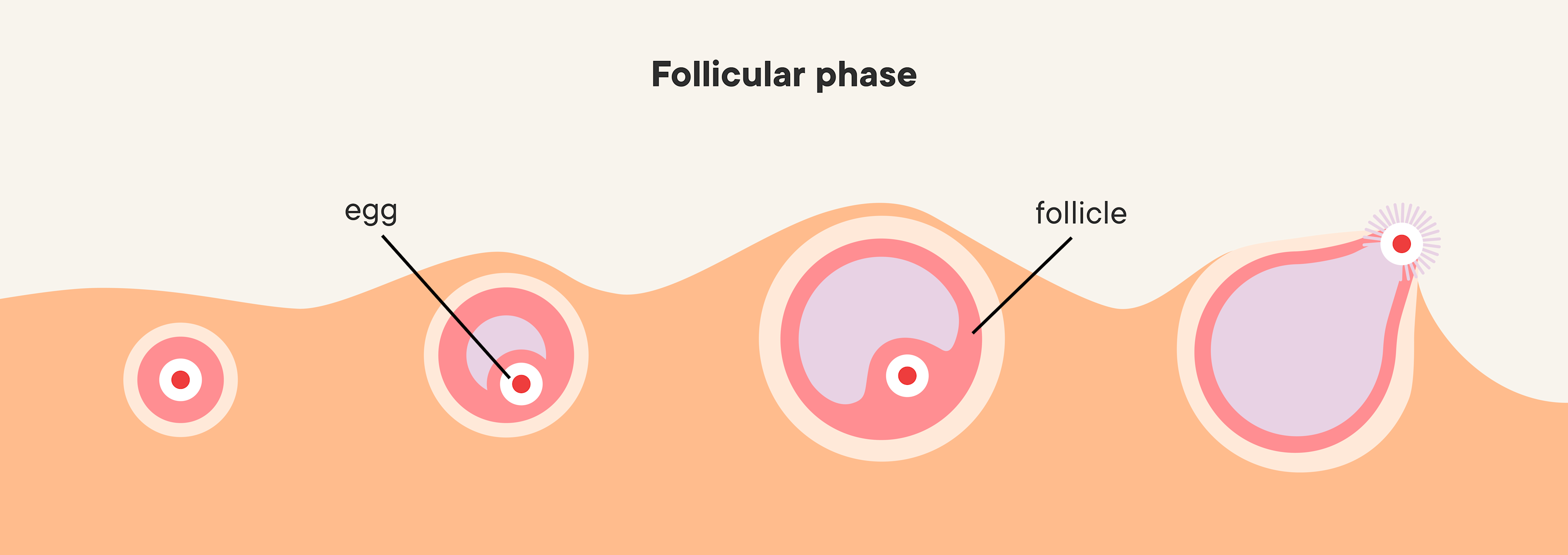
This phase supports egg development and prepares the body for ovulation.
Pregnancy relevance:
A healthy follicular phase sets the foundation for ovulation, which is essential for conception.
Ovulation Phase: A Key Indicator of Health
Ovulation is one of the most important signs of a healthy menstrual cycle.
Signs of healthy ovulation:
-
Occurs regularly each cycle
-
Clear, stretchy cervical mucus
-
Mild ovulation pain (optional)
-
Increased libido and confidence
Why ovulation matters:
-
Confirms fertility
-
Indicates balanced hormones
-
Supports pregnancy planning
Pregnancy relevance:
Ovulation is the only time pregnancy can occur. A healthy ovulation phase increases the likelihood of successful conception.
Luteal Phase: Stability and Preparation
The luteal phase reflects how well your body supports potential pregnancy.
Healthy luteal phase signs:
-
Lasts about 12–14 days
-
Stable mood for most of the phase
-
Mild PMS symptoms, if any
-
Consistent progesterone support
What to track:
-
Mood changes
-
Sleep quality
-
Appetite
-
Breast tenderness
A short or highly irregular luteal phase may affect fertility and should be monitored.
Pregnancy relevance:
If pregnancy occurs, progesterone remains high during this phase to support implantation.
Late Period: When Is It Still Normal?
A late period does not always mean something is wrong. Even healthy cycles can vary slightly.
Common normal reasons for a late period:
-
Stress
-
Travel
-
Changes in routine
-
Delayed ovulation
When to track closely:
-
Period is more than a few days late
-
New symptoms appear
-
Cycle length changes suddenly
Pregnancy relevance:
A late period is often the first sign of pregnancy. Tracking ovulation helps distinguish between late ovulation and conception.
Signs Your Menstrual Cycle Is Healthy Overall
A healthy menstrual cycle usually includes:
-
Predictable periods
-
Regular ovulation
-
Balanced energy changes
-
Manageable symptoms
-
Clear fertile windows
-
Few unexpected delays
Tracking over time is the best way to confirm cycle health.
When to Pay Attention to Changes
Even if your cycle has been healthy, changes may occur. Track and monitor if you notice:
-
Very irregular cycles
-
Severe pain
-
Extremely heavy bleeding
-
Frequent missed periods
-
Sudden cycle length changes
Consistent tracking provides valuable data to share with healthcare providers if needed.
Why Cycle & Pregnancy Tracking Go Together
Tracking your cycle and pregnancy signs together gives a complete picture of reproductive health. A healthy cycle supports:
-
Accurate fertility predictions
-
Early pregnancy detection
-
Better hormonal awareness
-
Informed health decisions
Using a digital cycle tracker helps turn daily observations into meaningful insights.
Final Thoughts
A healthy menstrual cycle is a sign that your body is functioning in balance. From the menstrual phase to ovulation and through the luteal phase, each stage plays an important role in reproductive health.
By tracking your cycle consistently and understanding what healthy patterns look like, you empower yourself to make informed choices about your health and pregnancy planning. Your cycle is not just a monthly event—it is an ongoing conversation with your body.
Related Articles
Understanding Fertility Windows and Planning for Conception
Understanding Your Baby’s Timeline
Understanding Timing, Accuracy, and Results
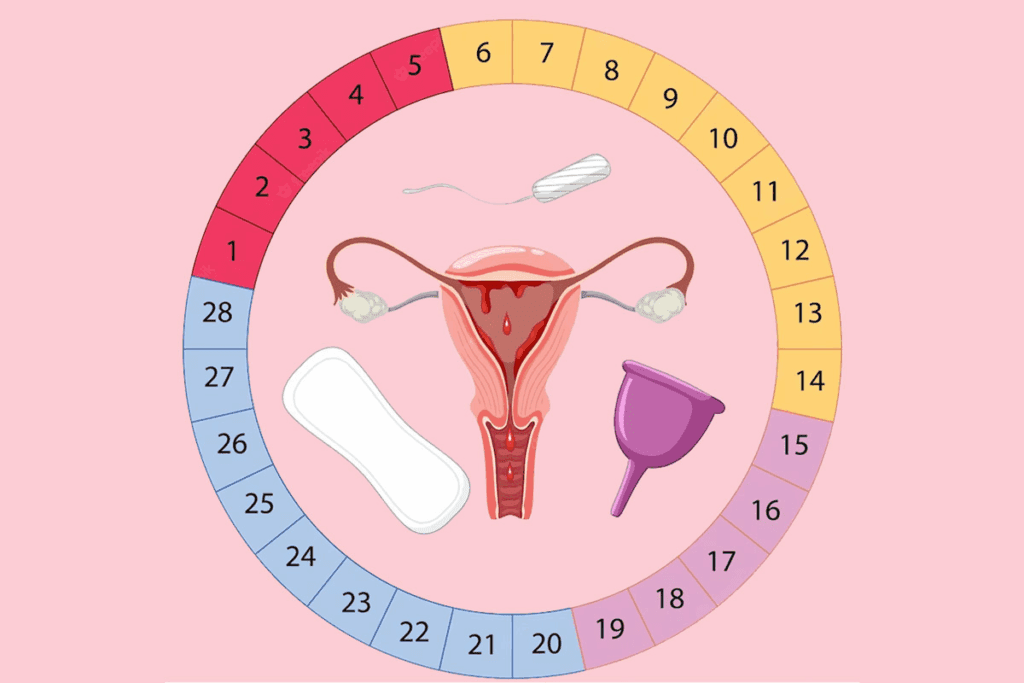
How to Track Your Period Accurately Using a Cycle Tracker

Common Cycle Changes and When to Worry
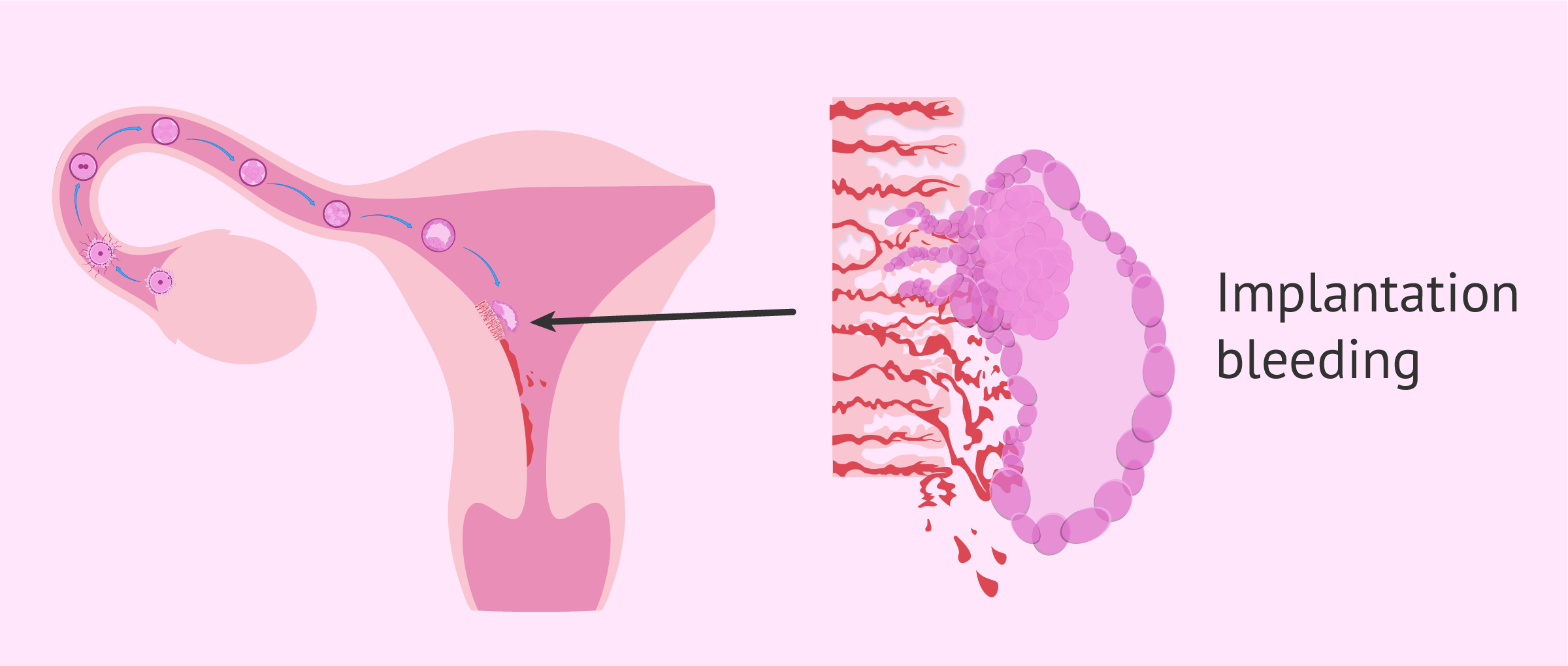
Understanding Early Pregnancy Changes
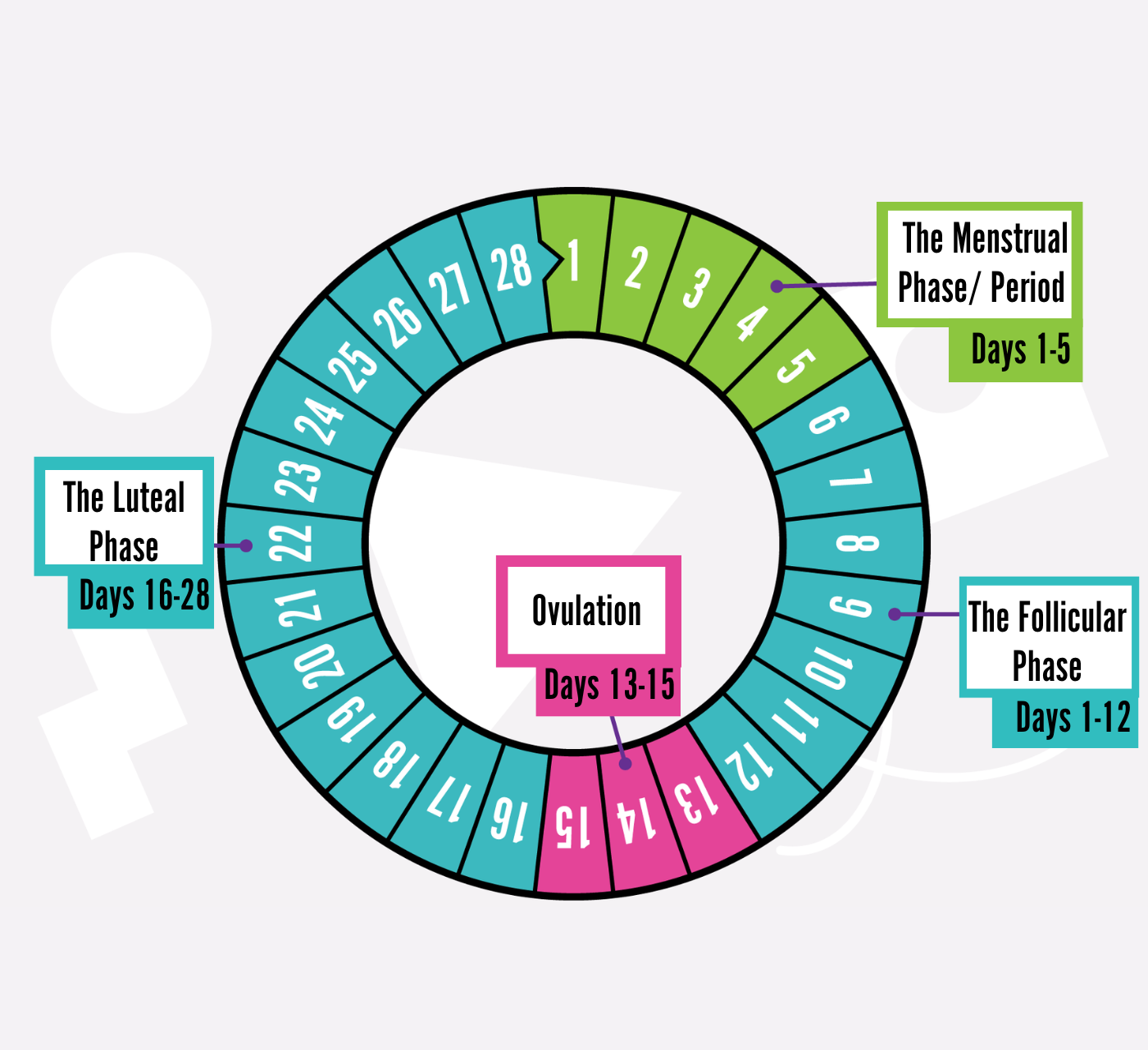
Understanding Your Menstrual Cycle: What Each Phase Means
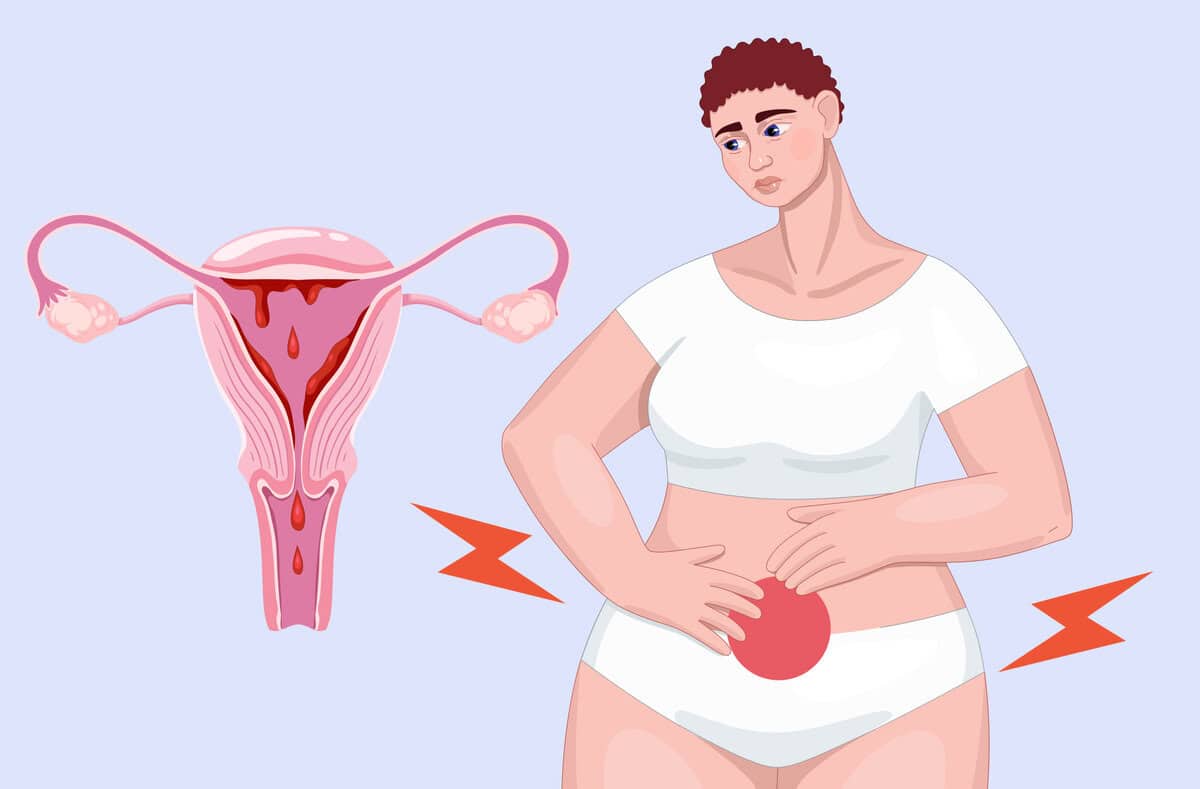
How Lifestyle Affects Your Menstrual Cycle